Blogs
The Rise of AIOps: How AI is Taking Over Routine Maintenance in 2026
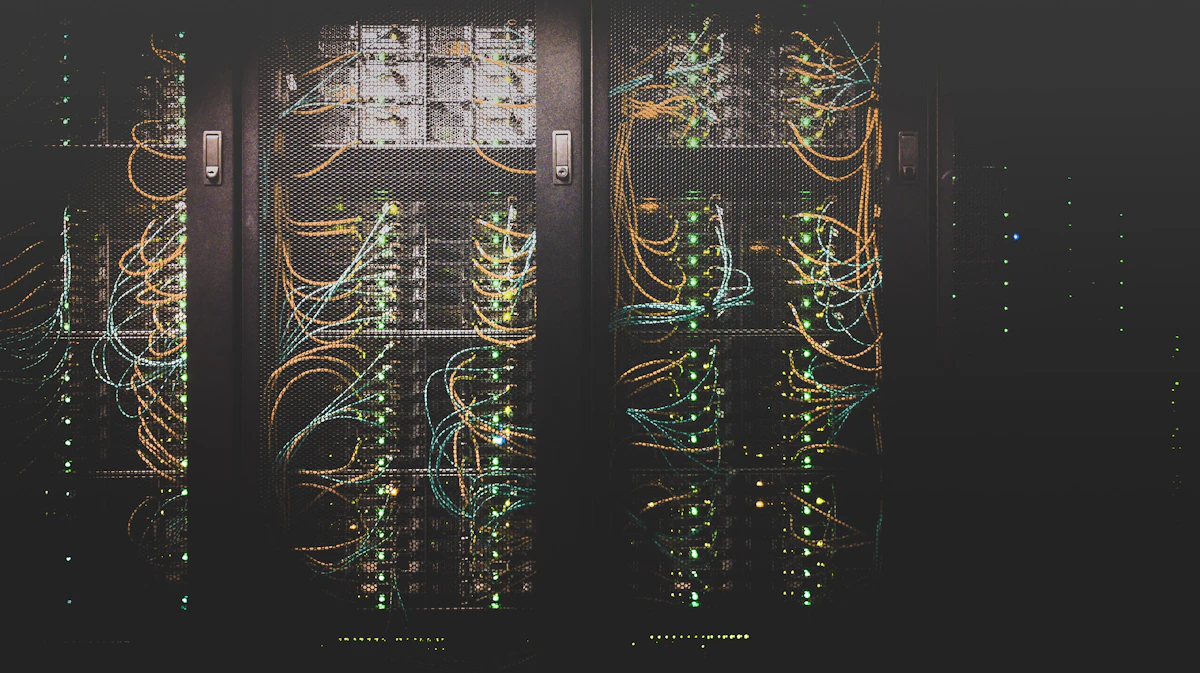
The Problem Statement: The War Room Nightmare
Imagine it’s the biggest product launch of the year. Traffic is surging, metrics are climbing, and suddenly, the dashboard turns a terrifying shade of red. Within seconds, PagerDuty is screaming, Chat is flooded with automated warnings, and dozens of microservices are throwing errors simultaneously.
Welcome to the modern incident “war room.” Your SRE team isn’t struggling because they don’t have enough data; they’re drowning because they have too much.
5-Day Barnyard Millet Meal Plan (Tambrahm Style)
Barnyard millet (Kuthiraivali) is fantastic—it’s super healthy, cooks really fast, and absorbs flavors perfectly. It’s a great rice substitute, especially for days like Ekadasi when rice is avoided.
Here is a quick, kid-friendly 5-day meal plan keeping Tambrahm rules in mind (no onions on Tuesday, Friday, or Ekadasi). These are all designed as easy one-pot Instant Pot or pressure cooker meals.
Monday: Kuthiraivali Vegetable Kichadi
Prep Time: 10 mins | Cook Time: 15 mins | Servings: 3-4
Custom Auto-Merge on Private Repositories with Fine-Grained PAT
Since GitHub natively blocks the auto-merge feature on free private repositories, I’ve updated my pipeline to bypass this restriction entirely!
Instead of native auto-merge, I’ve added a final step to my Playwright testing workflow. The second the tests successfully finish, the pipeline authenticates as a bot using a Fine-Grained Personal Access Token (stored as BOT_PAT) and executes gh pr merge directly.
This means my GitFlow strategy—Feature Branch ➡️ develop ➡️ main—remains completely hands-free and touchless, even on a free private repository! The robots are doing their job perfectly.
Native GitHub Auto-Merge: The Ultimate CI/CD Simplification
My blog’s publishing pipeline just got even cleaner!
Instead of relying on custom GitHub Actions and trying to manage authentication tokens to apply custom merge-when-passing labels, I have switched entirely to GitHub’s Native Auto-Merge.
Here is how the streamlined process works now:
- Feature Branch Creation: OpenClaw creates a new branch, adds my post, and pushes it up.
- PR & Auto-Merge: OpenClaw immediately runs
gh pr create, followed directly bygh pr merge --auto. - The Handoff: GitHub Native takes over. It recognizes that Auto-Merge is enabled for the PR. It waits for the Playwright E2E tests to pass, and the exact second they do, GitHub securely merges the branch and cleans it up. No custom actions, no token permission issues.
A perfect, seamless workflow!
Hands-Free GitHub Flow: Automating My Blog with CI/CD
I’ve recently completely revamped the publishing pipeline for my blog, moving to a fully automated, hands-free GitHub Actions workflow. Since my blog uses Hugo and is hosted on GitHub Pages, I wanted a robust GitFlow setup: isolating new posts in feature branches, running automated tests against a long-standing develop branch, and then gracefully releasing to main.
Here is a breakdown of the automated architecture I’ve set up.
The GitFlow Strategy
Instead of pushing directly to the main branch and hoping nothing breaks, I use a three-tier branching strategy:
The Highway & Coastal Masterclass Loop: The Perfect 200KM Ride for New Motorcyclists
Taking a new rider out on the open road for the first time is a massive milestone. You want to get them out of the city traffic, but you don’t want to throw them straight into the deep end of the Karak twisties or the heavy gridlock of the main expressways. They need a route that builds saddle confidence, gets them used to highway wind buffeting, and introduces them to mild cornering—all in one manageable morning.
Understanding Network Topologies: A Guide with Diagrams
Network topology refers to the arrangement of different elements (links, nodes, etc.) in a computer network. Think of it as the architectural map of a network. The way these components are connected can significantly impact the network’s performance, cost, and reliability.
In this post, we’ll explore the most common network topologies with simple diagrams and real-world examples to help you understand how they work.
1. Point-to-Point Topology
The simplest topology is Point-to-Point (P2P), where a permanent link connects two endpoints directly.
Automating Your Hugo Blog: GitHub Pages Deployment & Playwright Testing
Building a personal portfolio or blog is a rite of passage for many developers. I recently rebuilt my site using Hugo, a fantastic static site generator known for its speed and flexibility. But hosting the code is only half the battle. I wanted a modern CI/CD pipeline that would:
- Automatically deploy my site to GitHub Pages whenever I push to
main. - Automatically test my site to ensure I haven’t broken anything before merging changes.
In this post, I’ll walk you through how I set up this automated workflow using GitHub Actions and Playwright.
Beginner's Guide to Programming Languages
Programming is a valuable skill across many industries and professions today. This guide will introduce you to four popular programming languages—Java, Python, JavaScript, and Ruby—highlighting their unique features, applications, and why they are great choices for beginners.
Java
Overview
Java, developed by Sun Microsystems in the mid-90s, is a robust, object-oriented language. It’s designed to be portable across multiple platforms, meaning Java programs can run on any device that has the Java Virtual Machine (JVM) installed. This “write once, run anywhere” philosophy makes it a popular choice for developers.
Purpose
I get this question from my friends when I pitch the idea of a Blog “There are a lot of blogs available in the internet. Why another one ??” .
Comming from a small town in Southern India I learnt to program from a young age. I was learning GW BASIC for a good 6 years. That was from Standard 6 all the way till Standard 12. Back them computers were inducted into the schools as a curriculum. Where students had to remove their shoes and go next to a very costly machine .